
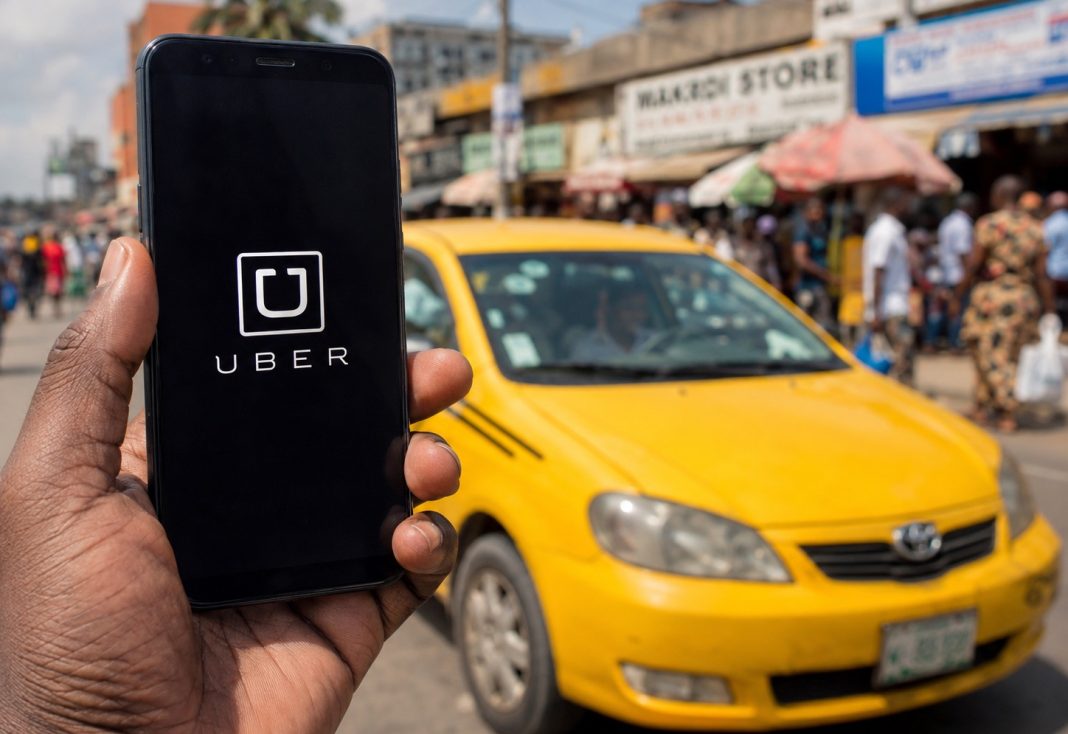
After 12 years in Nigeria, Uber has officially ended its ride-hailing operations in the country.
The decision marks a major moment for Nigeria's mobility ecosystem and raises an important question: what happens to the market now?
Uber entered Lagos in 2014 and became one of Nigeria's most recognisable ride-hailing brands. Its departure creates an immediate opportunity for competing platforms to attract former Uber riders and drivers.
Uber has described the decision as part of a review of its business priorities and investment focus across Africa. The company has said the move is limited to Nigeria and Uganda and does not represent a withdrawal from Sub-Saharan Africa.
The timing is significant, however. Nigeria's ride-hailing industry has been operating against a difficult economic backdrop, including inflation, rising fuel costs, currency volatility and increasing operating expenses.
Uber is also undertaking a broader global restructuring, making the Nigerian exit part of a wider effort to simplify its operations and focus investment on areas it considers higher-priority opportunities.
The important point is that Uber has not publicly identified one specific Nigerian factor as the reason for leaving. Claims that the company exited solely because of fuel prices, regulation or competition should therefore be treated as analysis rather than confirmed fact.
So, what happens next?
Bolt is one of the companies best positioned to benefit in the short term. With Uber no longer operating, Bolt can compete directly for former Uber riders, drivers, fleet operators and corporate customers.
However, Uber's departure does not automatically mean Bolt will have a monopoly.
Other mobility platforms also have an opportunity to grow. Companies operating different models, including negotiated-fare services, scheduled transportation and business mobility, could use the disruption to attract customers looking for alternatives.
The biggest immediate challenge will be for drivers.
Thousands of drivers who previously relied on Uber will need to consider other platforms or alternative sources of income. Some will likely move to Bolt and other ride-hailing services, while others may explore logistics, corporate transportation or independent driving opportunities.
The migration could also create more competition among drivers on rival platforms. More drivers joining the same platforms does not necessarily mean every driver will earn more.
For consumers, the effects are less predictable.
Uber's exit removes one major option from the market, but competition between the remaining platforms could keep prices competitive.
At the same time, consumers could experience changes in waiting times, promotional offers, availability and surge pricing as demand moves between platforms.
This is where the Uber story becomes particularly relevant to Fintech Review NG.
Ride-hailing is not simply a transportation business. It is also a payments ecosystem.
Every trip can involve digital payments, driver payouts, wallets, payment processing, reconciliation, insurance and vehicle financing.
Uber's exit therefore creates opportunities beyond transportation.
Local fintech companies can potentially support mobility platforms with payment infrastructure, driver wallets, financial services, insurance technology and vehicle-financing solutions.
The next generation of Nigerian mobility companies may therefore look very different from the traditional ride-hailing model.
Instead of simply connecting riders with drivers, platforms could combine transportation with payments, financing, insurance, logistics and other financial services.
Corporate mobility could also become more important.
Businesses need reliable ways to transport employees and customers, creating opportunities for structured transportation providers and mobility-as-a-service companies.
The market could therefore develop in several directions.
Bolt is likely to be a major short-term beneficiary. Other ride-hailing platforms could expand their user and driver bases. Local mobility startups could target specific niches, while fintech companies could become increasingly important infrastructure partners.
The bigger question is whether Nigeria's market eventually becomes dominated by a small number of large platforms or develops into a more specialised ecosystem with several companies serving different customer segments.
Uber's exit should not simply be interpreted as "Uber failed in Nigeria."
Uber remains a major global technology company and continues to operate in other African markets.
The more important lesson is what the decision says about the economics of operating technology platforms in emerging markets.
Nigeria has enormous consumer demand and a rapidly growing digital economy, but companies must also navigate complex economics, infrastructure challenges, regulation, currency movements and operating costs.
The companies that succeed in the next phase of Nigerian mobility will need more than a good app.
They will need the right economics, strong driver relationships, reliable payments, safety systems, regulatory understanding and a compelling customer experience.
For Fintech Review NG, this is where the story becomes bigger than Uber.
It is about the convergence of mobility and financial technology — and the companies that will build what comes next.
Uber may have left the Nigerian ride-hailing market.
But the race for what comes next has only just begun.