
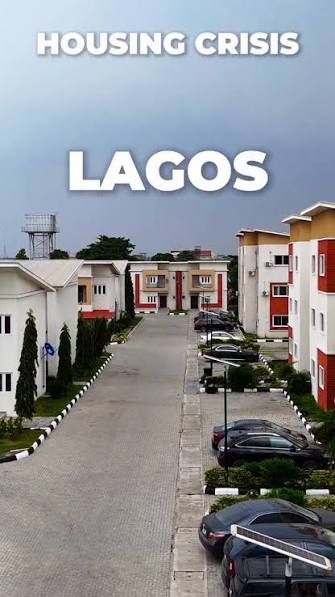
Lagos is running one of the most aggressive housing transformations in Africa, and it is not being led by traditional developers. It is being led by fintech and proptech operators rebuilding the plumbing of how residents rent, buy, verify and manage property.
The conditions explain the pace. A metropolitan population widely estimated between 20 and 28 million, a housing deficit measured in millions of units, and a rental system that still expects a year or two of rent upfront have made the city an unusually demanding testing ground for housing finance products.
Rent financing attacks the upfront burden. Landlords routinely demand one to two years in advance, which pushes households into informal borrowing or overcrowded housing. Rent-Now-Pay-Later providers pay the landlord and recover monthly from the tenant. The differentiator is no longer the loan but the underwriting: scoring on bank transaction history, payroll data and payment behaviour rather than collateral. Representative platforms include Kwaba, Ule Homes, Carbon, KiaKia and OnePipe.
Fractional ownership is the closest thing Lagos has to a mortgage substitute. With mortgage penetration negligible and prime corridors outpacing incomes, platforms pool capital into an asset and pay out rent plus appreciation. Naira-denominated entry points that look modest in dollar terms have made these products a default vehicle for diaspora buyers. Representative platforms include Fundall, Risevest, Duplix, Wealth.ng and Brickstone Partners.
Title verification is the highest-leverage layer in the stack. Fake agents, forged Certificates of Occupancy, omitted government acquisition status and double sales have all been routine. Digitised registry records, timestamped ownership and a searchable chain of title move the check from months to days. The Lagos State blockchain-backed land registry rollout sets the ceiling for everything private tools can do. Representative platforms include HouseAfrica, LandRepublic and PropertyPro Title Scanner.
Verified marketplaces have replaced the classifieds model. The current generation competes on physical inspection, agent accreditation, title authentication and escrowed payments before a listing goes live. That inventory is slower and more expensive to build, but it is the only version a remote or diaspora renter can transact on without a proxy on the ground. Representative platforms include BuyLetLive, Crest Proptech, MyAgent, Spleet and SmallSmall.
Smart housing and short-let fintech is yield engineering on the supply side. Dynamic pricing, automated turnover and payout scheduling, and IoT monitoring of access, power and maintenance now look like revenue management. Energy is the quiet driver: solar and inverter integration with consumption monitoring turns diesel volatility into a predictable line item.
Our read: the five pillars now depend on each other. Verification underwrites marketplaces, marketplaces feed financing, financing makes fractional ownership saleable, and smart housing decides whether the underlying asset performs. The remaining constraint is evidential rather than technical — adoption figures, default rates and returns are still largely self-reported, and no independent body publishes sector-wide data. The infrastructure is real, the direction is clear, and the headline percentages deserve scrutiny.
Methodology: platforms were reviewed on product scope, verification standards and public disclosures. Figures are drawn from operator statements and industry estimates current to 2026; they are indicative ranges, not audited data. FintechReviewNG has no commercial relationship with the platforms named.